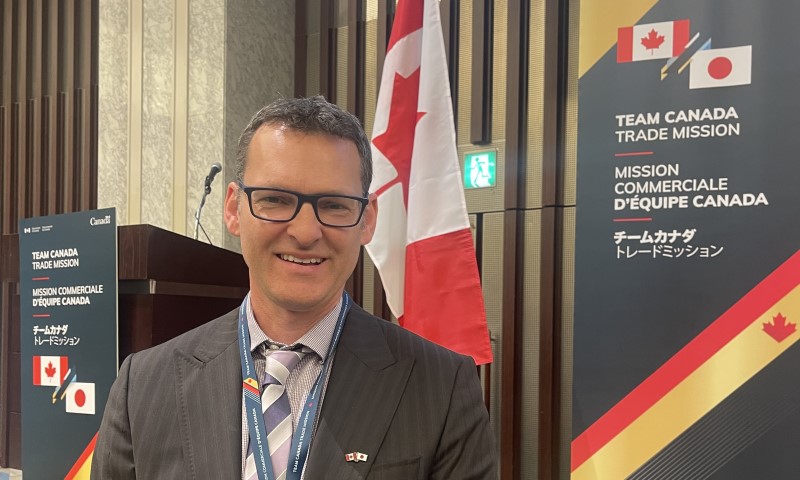
John Briner is a lawyer, business consultant, and entrepreneur with experience in commercial litigation, debt recovery, and contract enforcement. Over the years, he has helped businesses navigate difficult financial disputes and recover outstanding debt efficiently. John helps businesses protect their financial stability while ensuring compliance with legal best practices. Law Feature recently sat down with John Briner to discuss the best strategies for business debt recovery.
Q: What are some common issues businesses face when trying to recover outstanding debts?
JOHN BRINER: One of the biggest challenges is debtor pushback. Most companies have clients who take their time to pay, question invoices, or simply stop responding. Without clear contractual terms, things can get a bit hectic, and enforcement becomes more difficult. The first step of debt recovery is to keep communication clear and consistent. Legal action should be the last resort. Businesses should first attempt to solve the problem through direct contact. Written reminders or phone calls are usually enough to get debtors to pay up. That said, companies should always take action once a debt is past due.
Q: At what point does it make sense for a business to pursue legal action to collect a debt?
JOHN BRINER: Before pursuing litigation, businesses should try to work through debt problems with clear communication and negotiations. But if a debtor refuses to pay up after several attempts, or if the debtor disputes the debt without a reasonable cause, you will have to refer to the legal option. If this initial contact does not prove effective, businesses may need to send a formal demand letter. A proper demand letter, usually written by a lawyer, will place the correct amount due, a deadline to respond by making the payment, and explain what will happen if the demand is not fulfilled in total. This often signals to debtors that the matter is serious and motivates them to resolve the debt promptly.
Q: What legal options can businesses take to recover debts?
JOHN BRINER: There are several legal resources available that depend on the circumstances. If informal means of resolution don’t succeed, companies are susceptible to a lawsuit. In British Columbia, claims up to $35,000 may be filed in Small Claims Court, while larger debts must be filed in the Supreme Court of British Columbia. While litigation can sometimes be necessary, it’s usually time-consuming and expensive, so businesses should carefully consider the costs and benefits before proceeding. If you do get a judgment, enforcing it is another important step, and could mean garnishing wages, seizing bank accounts, or putting a lien on the debtor’s property. A lawyer experienced in debt recovery can help businesses ensure they follow proper procedures and increase their chances of a successful recovery.
Q: How can businesses protect themselves from unpaid debts?
JOHN BRINER: Prevention. Businesses can protect themselves by having clear contracts that articulate the terms of payments and the consequences of late payments. This means charging interest or late fees in agreements to encourage timely payments. Also, businesses can prevent the cost of doing business with clients with a history of not paying by doing thorough credit checks on potential clients. Invoicing should also be structured and followed up on, which will help meet payment timelines.
Q: What advice do you have for businesses dealing with debt recovery issues?
JOHN BRINER: Move quickly and efficiently. The more overdue a debt is, the more challenging it is to retrieve. Document everything, including communications and transactions, so you have a record should you need to pursue legal action. And most importantly, speak with a lawyer early in the process to learn about your rights and options. Debt recovery is striking the balance between maintaining your business’s cash flow and customer relations whilst remaining within the confines of the law. With the right strategy, businesses can minimize their financial loss and increase their potential for successful debt recovery.