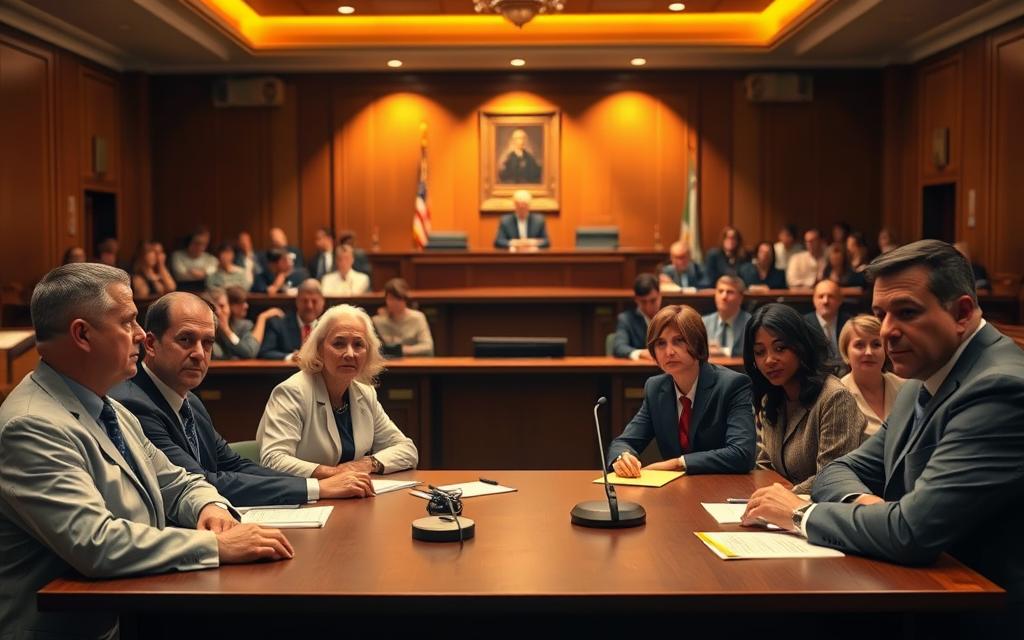
Facing a criminal accusation can be overwhelming, especially for people who have never dealt with the legal system before. In a city as large and complex as San Francisco, the criminal justice process can move quickly and involve many unfamiliar steps. This is where a experienced San Francisco criminal defense law firm plays an important role. Its work is not limited to appearing in court. It also helps individuals understand their rights, review the evidence against them, and make informed decisions throughout the legal process.
For anyone trying to learn how criminal defense works, it helps to begin with the basics. Criminal defense is the area of law focused on representing people who have been accused of breaking criminal laws. These accusations may involve misdemeanors, such as petty theft or simple assault, or felonies, which are more serious offenses and can carry heavier penalties.
What Does a Criminal Defense Law Firm Do?
A criminal defense law firm represents people at different stages of a criminal case. Some clients seek legal help immediately after an arrest, while others contact a lawyer after being questioned by police or after formal charges have already been filed.
Protecting Legal Rights Early
One of the most important functions of a defense lawyer is protecting a person’s legal rights from the beginning. This includes helping a client understand the right to remain silent, the right to a lawyer, and the right to be treated fairly under the law. Many people do not realize that what they say early in an investigation can strongly affect the outcome of a case.
A defense team may also examine whether law enforcement followed proper procedures during a stop, search, arrest, or interrogation. If officers violated the law, certain evidence may be challenged or excluded.
Reviewing the Evidence
Another major responsibility is reviewing the prosecution’s evidence. In a criminal case, the government must prove guilt beyond a reasonable doubt. A defense lawyer studies police reports, witness statements, video footage, forensic results, and other materials to identify weaknesses or inconsistencies.
This process is important because an accusation alone is not proof. A careful review may reveal mistaken identity, unreliable witnesses, incomplete investigations, or procedural errors.
Why Local Knowledge Matters in San Francisco
Choosing a firm that regularly handles cases in San Francisco can be especially helpful. Local criminal courts, prosecutors, and procedures may differ in practice from one county to another. An experienced San Francisco criminal defense law firm is often familiar with how local courts operate, what documents are commonly required, and how different types of charges are typically handled in the area.
This does not mean any particular result is guaranteed. However, familiarity with local practice can help a defense team prepare more effectively and explain the process more clearly to the client.
Common Types of Criminal Cases
A San Francisco Criminal Defense law firm may handle a wide range of matters, including:
- DUI charges
- Drug-related offenses
- Theft and burglary allegations
- Domestic violence cases
- Assault and battery charges
- White-collar crimes, such as fraud
- Probation violations
Each category involves different laws and defenses. For example, a DUI case may turn on the legality of a traffic stop or the accuracy of a chemical test, while a theft case may depend on intent, identification, or ownership of property.
Misdemeanors vs. Felonies
People new to criminal law often hear the terms misdemeanor and felony without knowing the difference. A misdemeanor is generally a less serious offense and may carry penalties such as fines, probation, community service, or up to one year in county jail. A felony is more serious and may lead to longer jail or prison sentences and other lasting consequences.
Even a misdemeanor, however, can affect employment, housing, immigration status, and professional licensing. That is why legal representation can matter in both minor and serious cases.
How the Criminal Process Usually Works
Understanding the usual path of a case can make the system feel less intimidating.
Investigation and Arrest
A case may begin with a police investigation. In some situations, a person is arrested at the scene. In others, investigators continue gathering evidence before making an arrest or asking the district attorney to file charges.
Arraignment
After charges are filed, the defendant usually appears in court for an arraignment. This is the hearing where the person is informed of the charges and asked to enter a plea, such as guilty, not guilty, or no contest.
Pretrial Proceedings
Many important decisions happen before trial. Lawyers may file motions, exchange evidence, negotiate possible resolutions, and prepare defenses. Some cases are dismissed or resolved without trial, while others continue to a judge or jury.
Trial and Sentencing
If a case goes to trial, the prosecution must present evidence and persuade the court that the defendant is guilty beyond a reasonable doubt. If there is a conviction, the next stage is sentencing, where penalties are determined according to the law and the facts of the case.
For readers who want a general overview of criminal cases in California, the California Courts self-help resources offer accessible background information.
What Clients Should Expect From Defense Counsel
Good legal representation is not only about courtroom skill. It also involves communication and education. People with little legal background often need straightforward explanations of what is happening, what choices are available, and what risks may follow each decision.
A defense lawyer should be able to explain legal terms in plain language. For example, a “plea bargain” is simply an agreement in which the defendant agrees to plead guilty or no contest, often in exchange for reduced charges or a lesser sentence. “Discovery” refers to the evidence shared between the sides before trial.
Key Takeaways
A San Francisco Criminal Defense law firm helps individuals navigate one of the most stressful legal situations they may ever face. Its role includes protecting rights, analyzing evidence, explaining procedures, and building a defense suited to the facts of the case. For people without legal training, understanding these core functions can make the criminal justice system easier to follow.